TAHMEF
Partner With Us
XLinkedInInstagramYouTube

About TAHMEF

A population-scale
mental-health
operating system.

Built for Tanzanian youth. Designed for government delivery and community replication. Engineered to scale across Africa.

Our Mission

Stigma-free mental health support for every young Tanzanian.

We are a HealthTech nonprofit on a mission to provide stigma-free mental health support to Tanzanian youth, improving their wellbeing through digital services that governments and communities can replicate across Africa.

Why We Exist

Mental health support should be as normal as calling for medical help.

In Tanzania, more than 60% of the population is under 25, yet there are only ~1.3 mental-health workers per 100,000 people. An estimated 1 in 7 youth struggle, and roughly 80% go untreated — costing countries 3–5% of GDP every year.

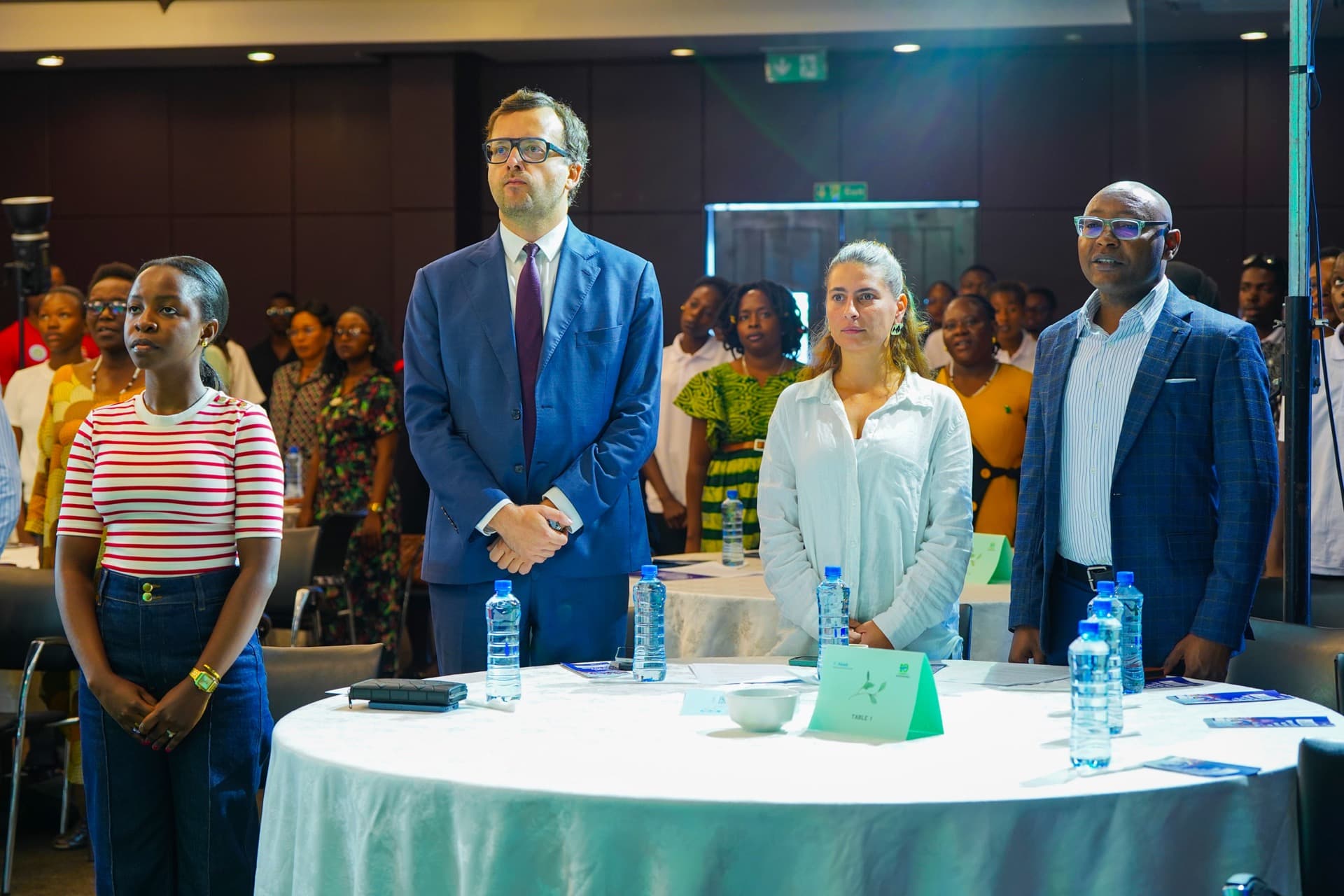
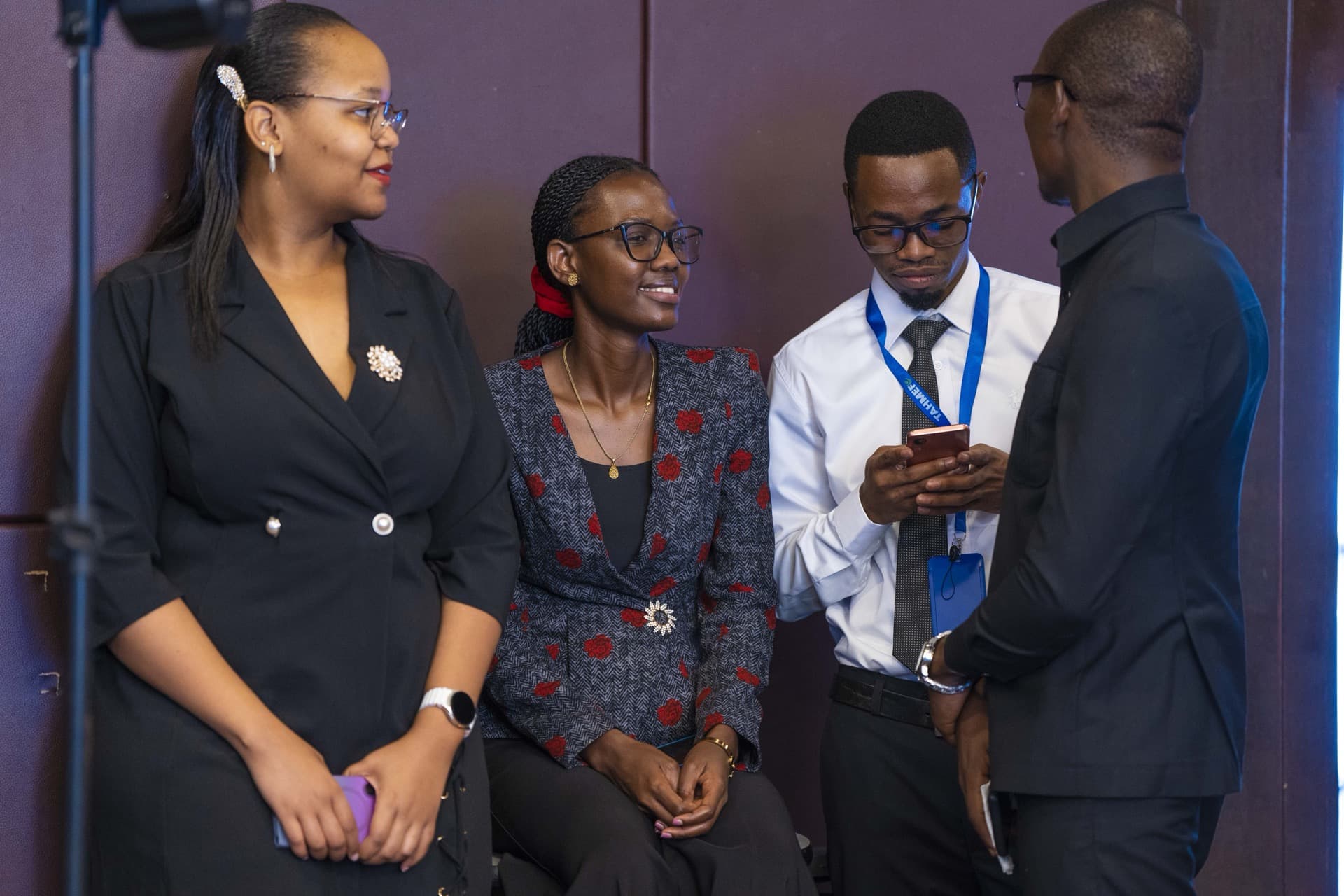
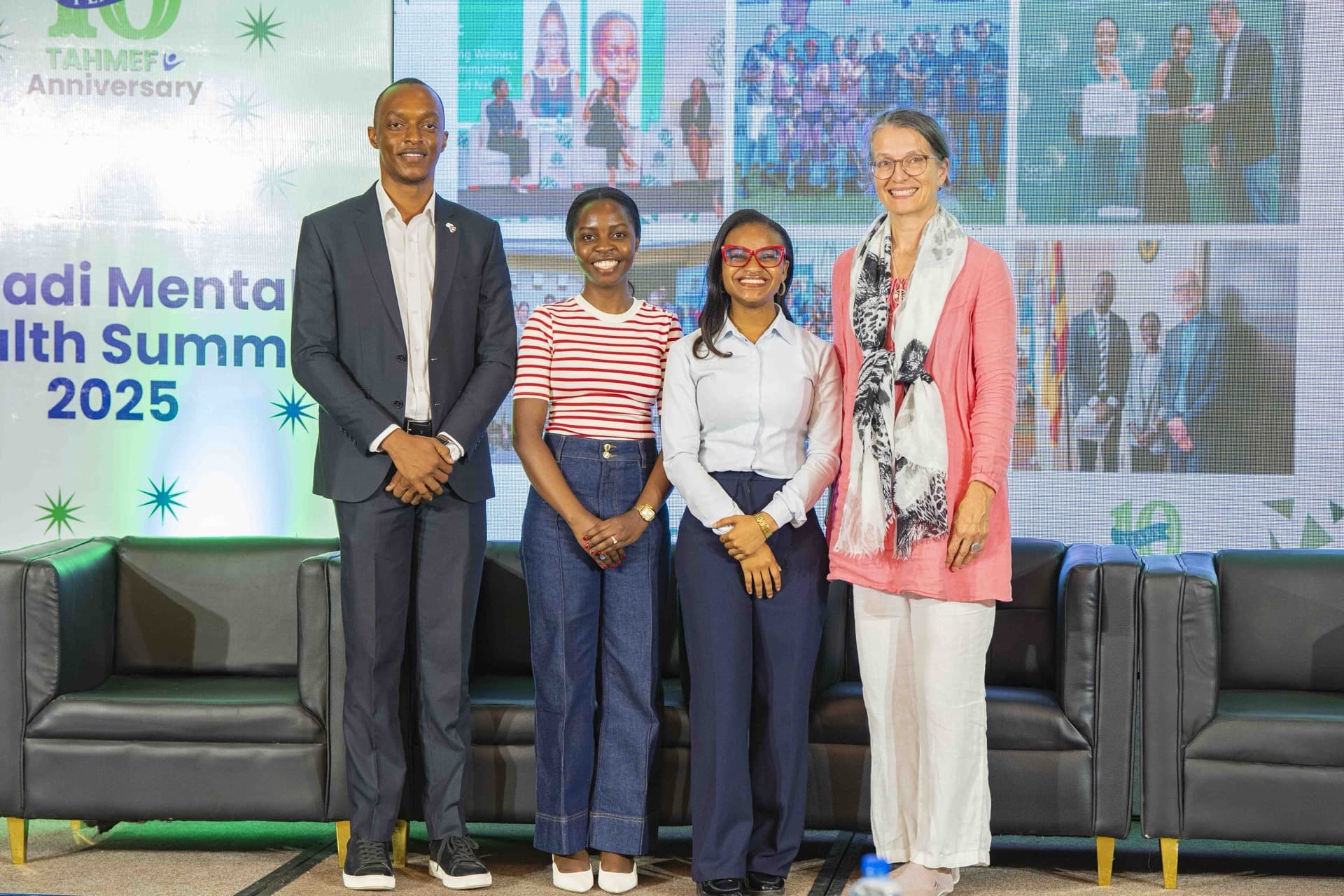
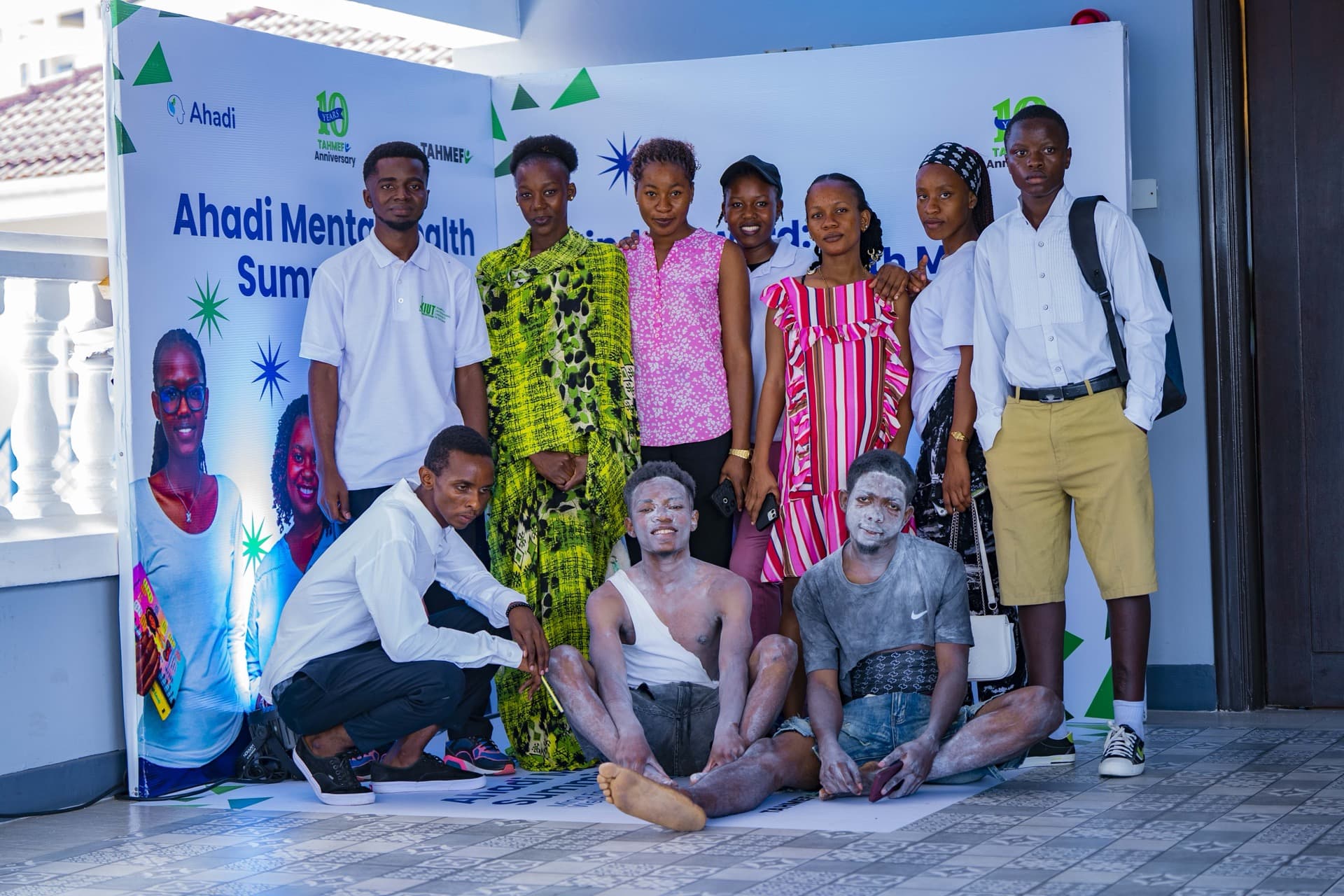
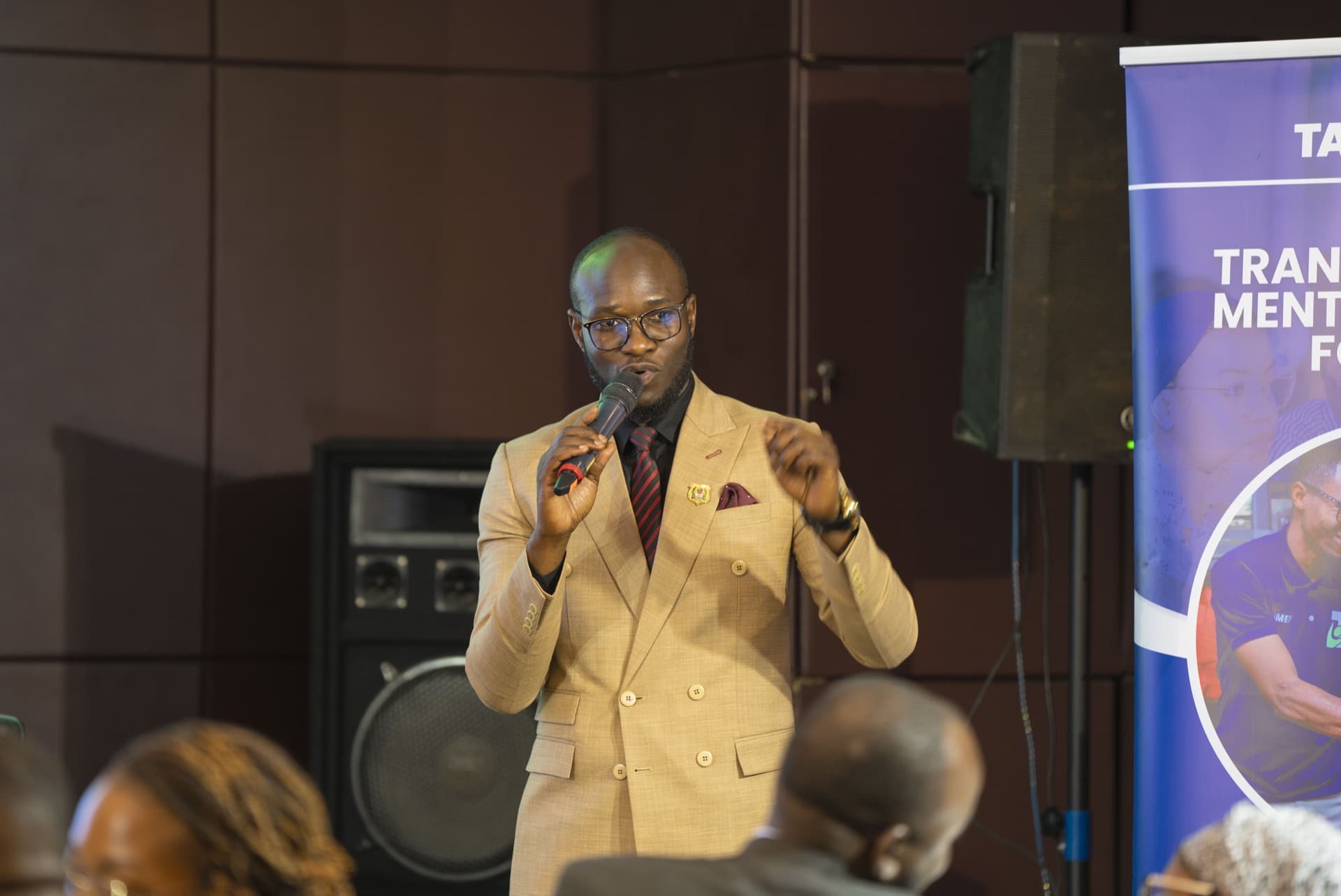
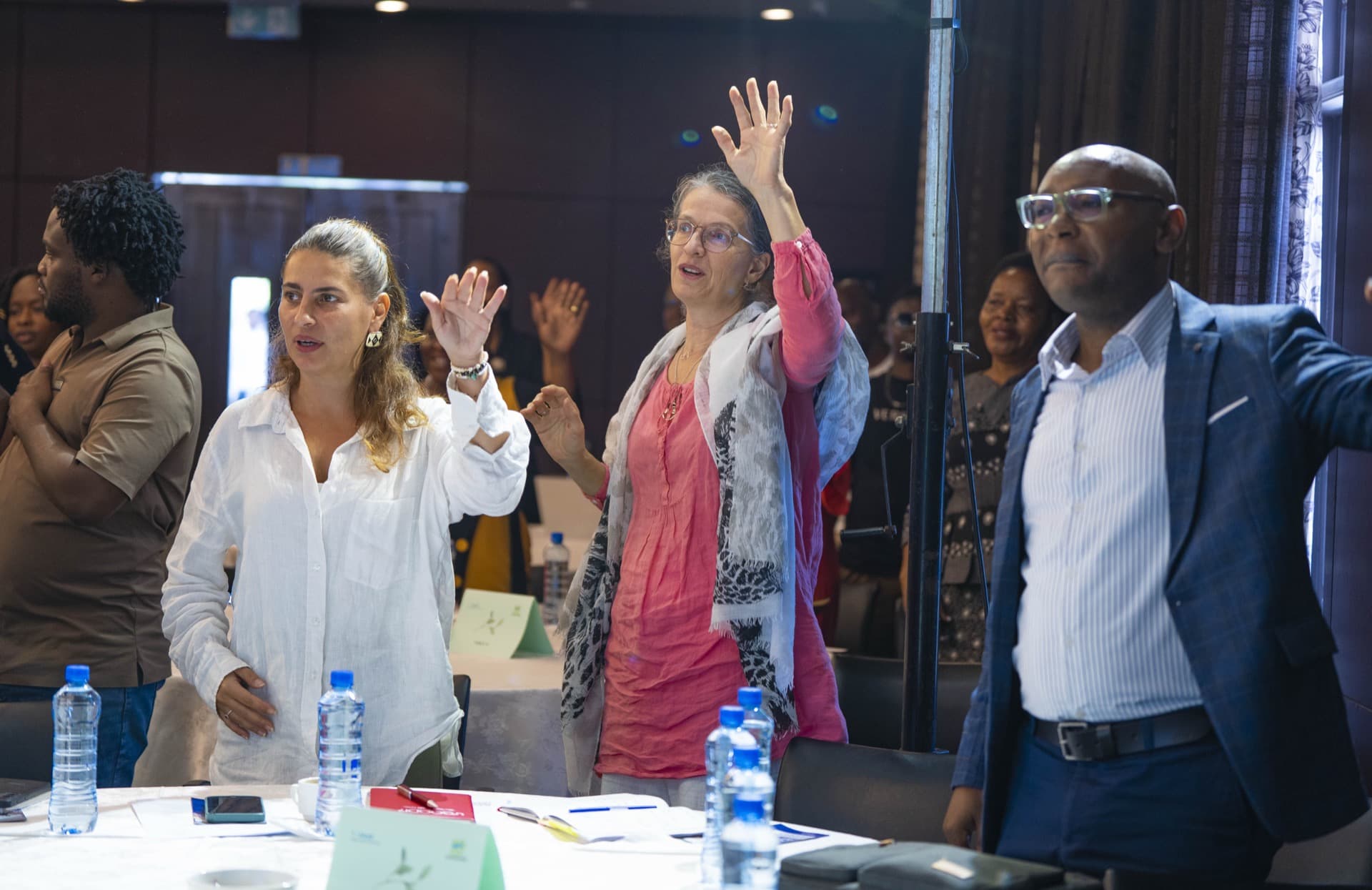
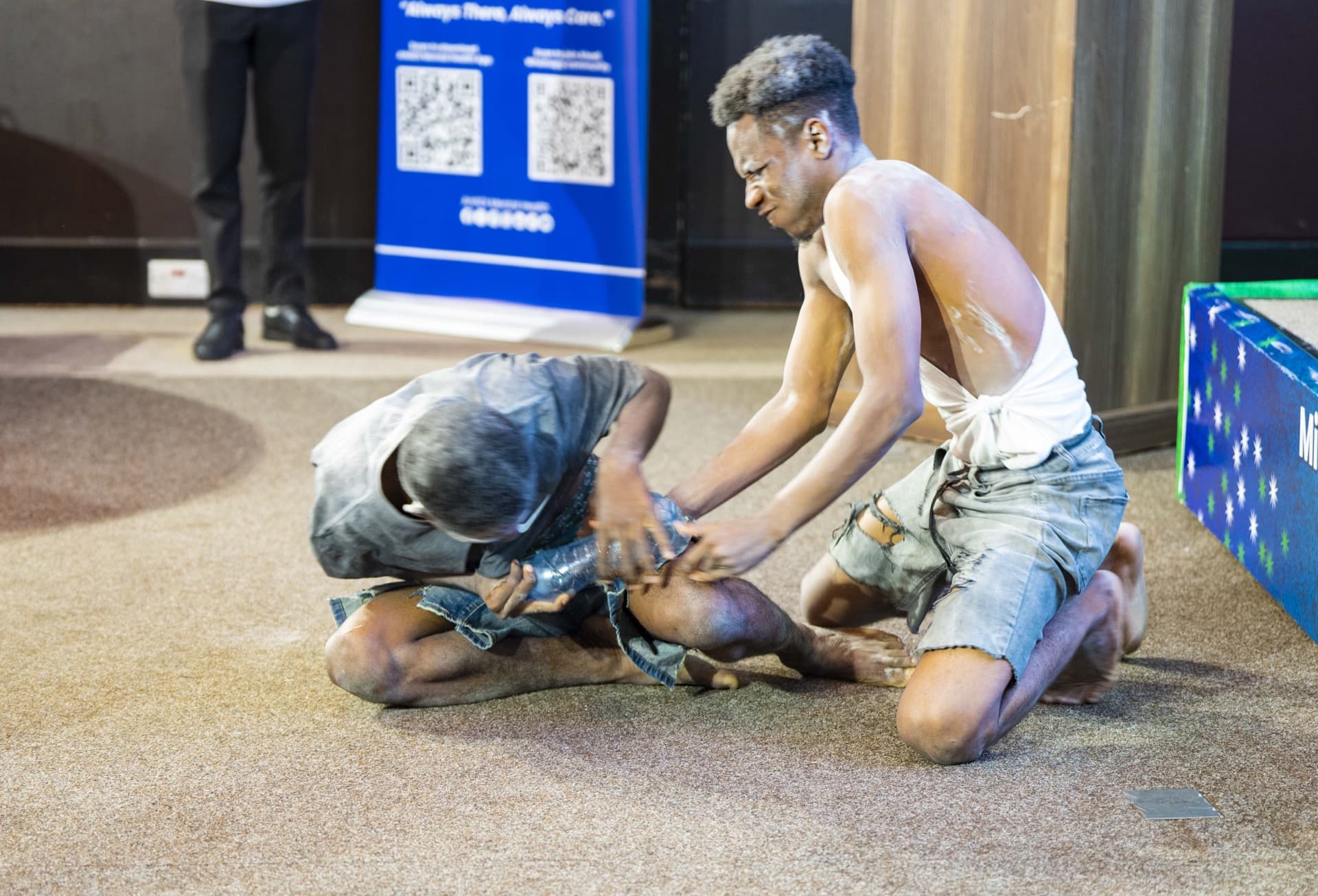
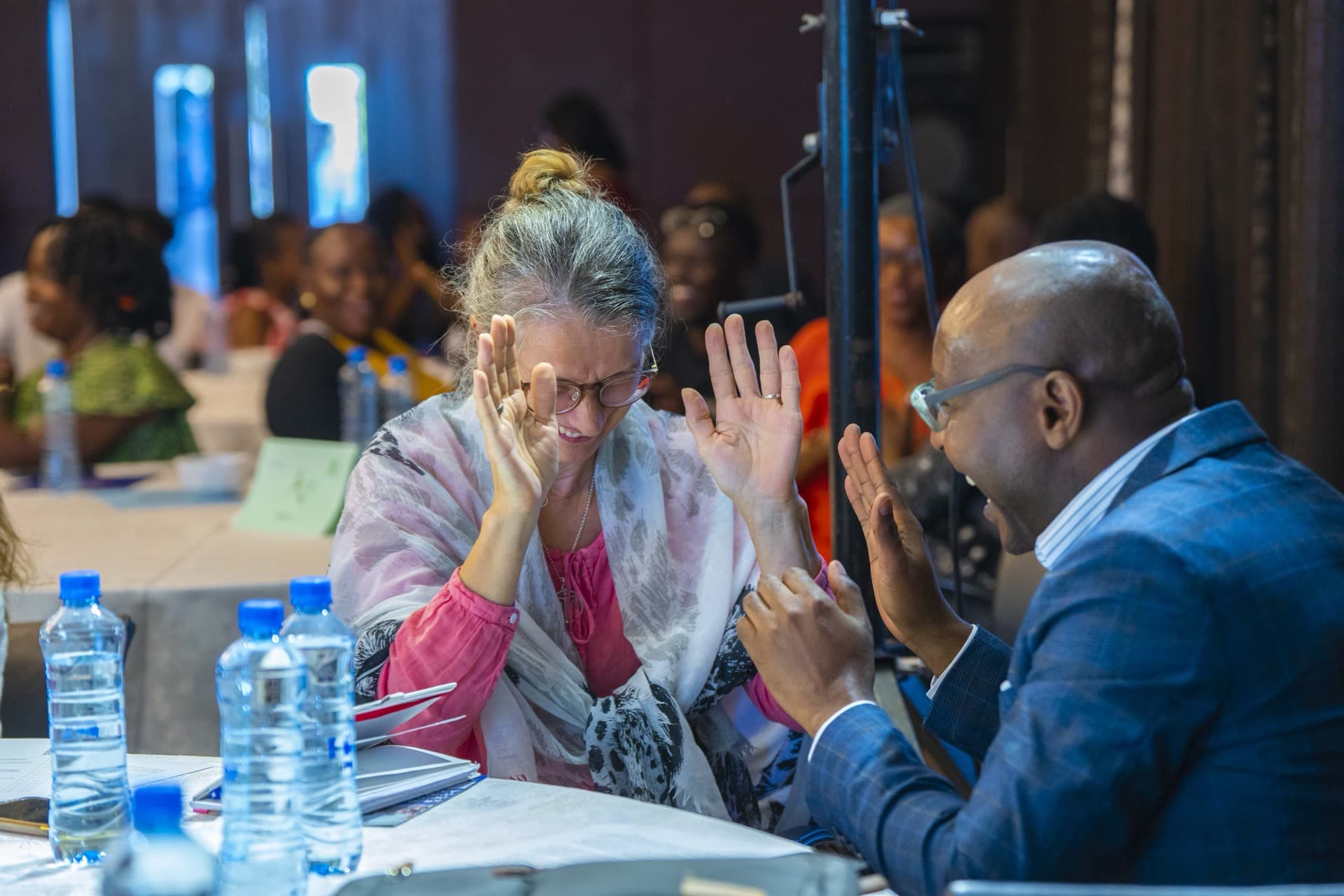
TAHMEF in the field
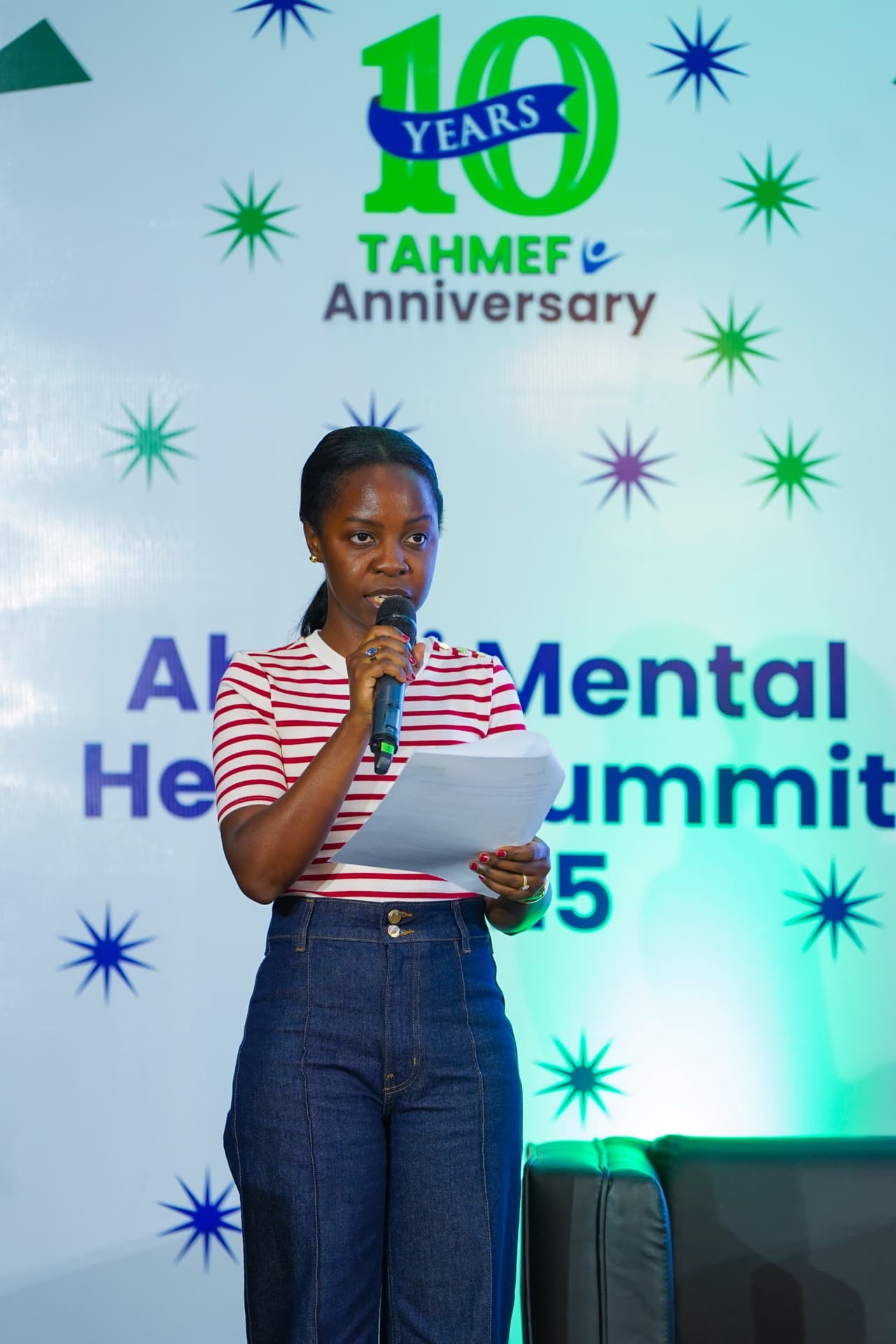
TAHMEF in the field
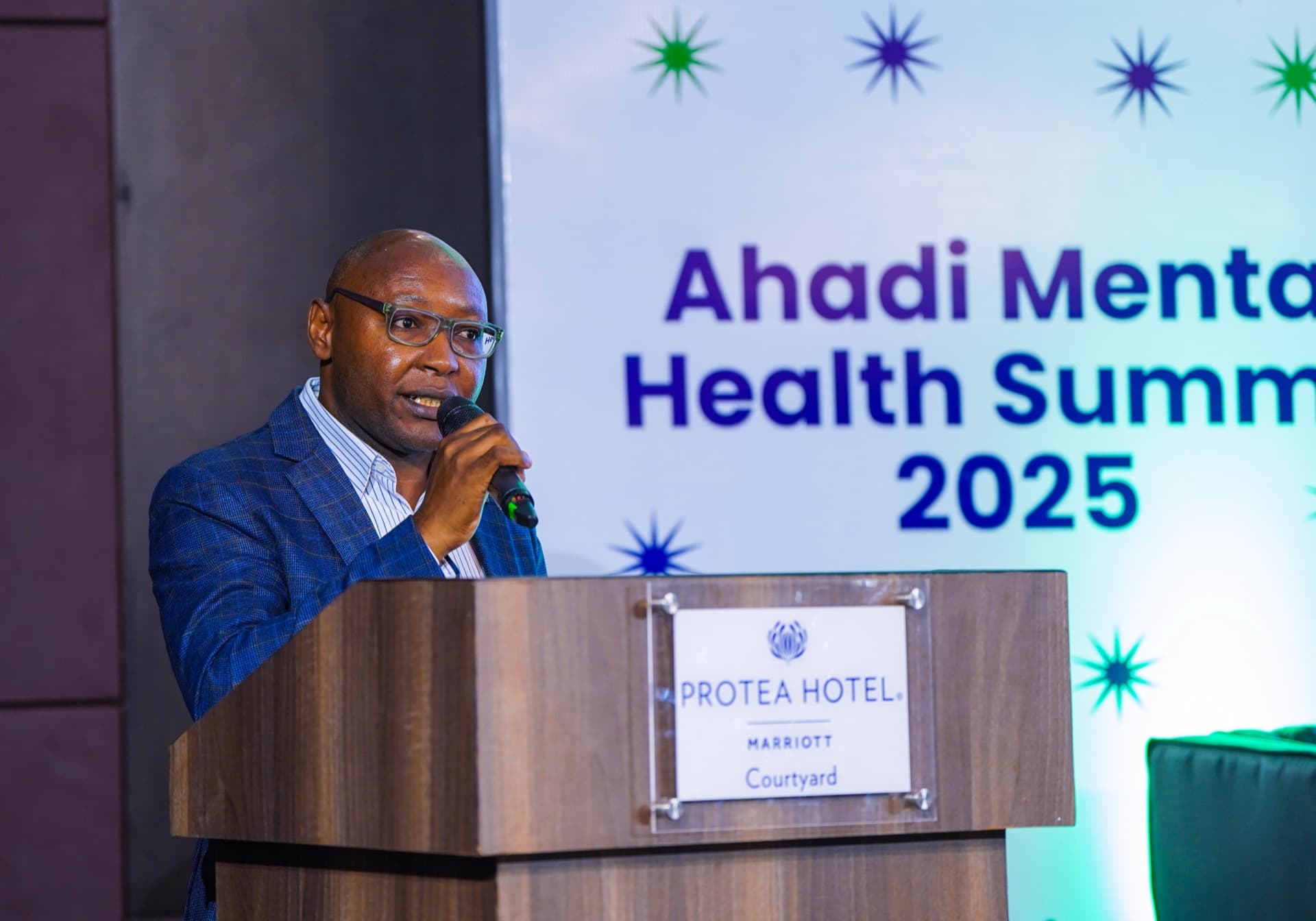
TAHMEF in the field
TAHMEF in the field

Meet the Team

The people behind
TAHMEF.

Our governing board brings together medical, technical, financial and public-health expertise — united by one mission: stigma-free mental health care for every Tanzanian youth.

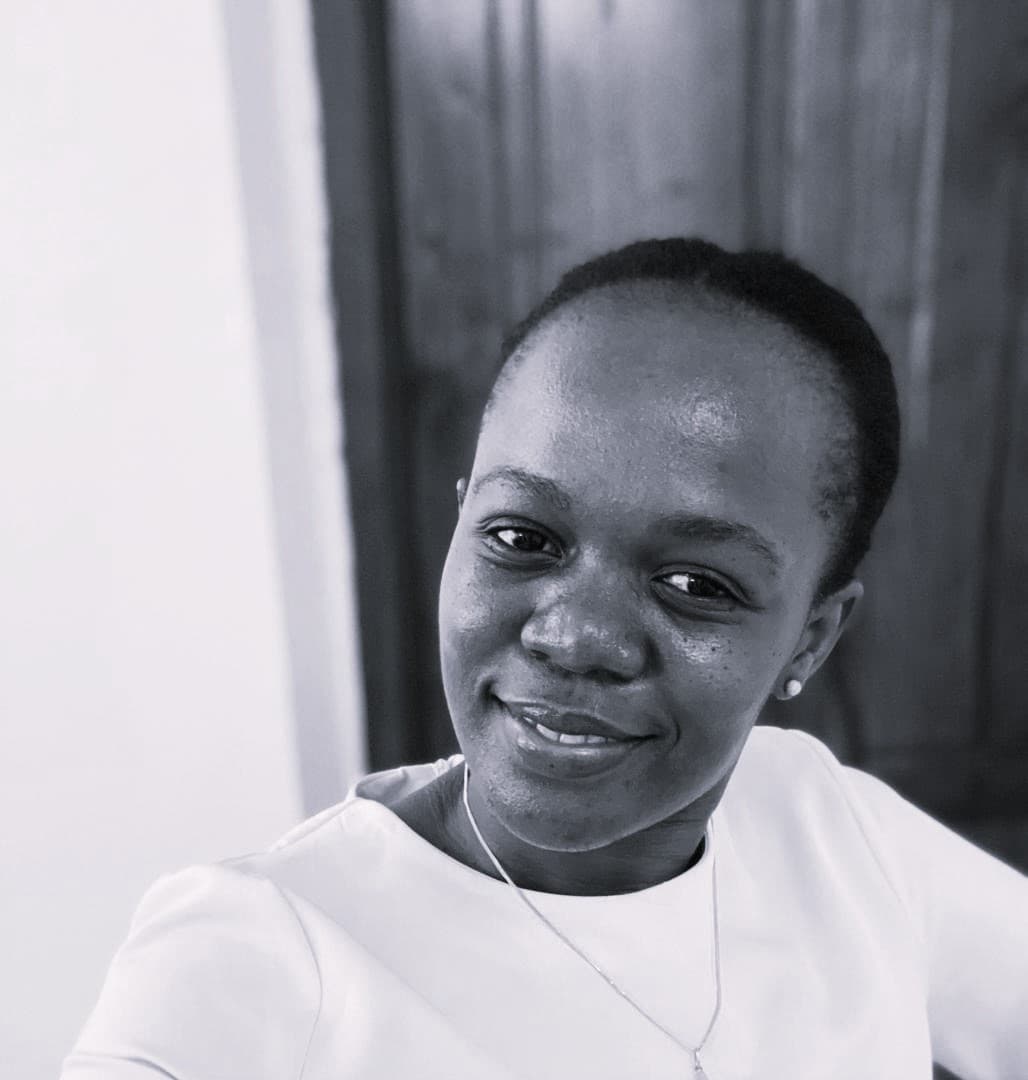
Dr. Juliana Busasi (MD)

Chairperson

Dr. Juliana Busasi (MD)

Medical doctor and health teach entrepreneur with over 8 years of experience in the Tanzanian public health sector and global health initiatives, including work with renowned international organizations like the Merck KGaA Global Health Institute.

Alexander Millinga

Vice Chairperson

Alexander Millinga

10 years in IT systems management, digital finance, network support engineering and ICT operations. He is skilled in IT planning, project management, infrastructure upgrades, troubleshooting, and ITIL standards, with a Master’s in Internet Computing and Network Security from Loughborough University (UK).

Jacqueline Mwandu

Treasurer

Jacqueline Mwandu

Grants and Financial Management, with 8+ years experience in Fundraising and Impact Management.

Dr. Flavian Rweyungura (MD)

Secretary

Dr. Flavian Rweyungura (MD)

A medical doctor and public health enthusiast with 6+ years of experience, currently serving as the Medical Officer in Charge at the President’s Office, Regional Administration and Local Government (PO-RALG)in Simiyu Region, Tanzania.

Dr. Kenneth Munanu (MD)

Vice Secretary

Dr. Kenneth Munanu (MD)

A medical doctor with 6+ years of experience, formerly a medical officer at the President’s Office, Regional Administration and Local Government Tanzania (PO-RALG) in Ruvuma Region. Currently pursuing a Masters of Medicine (MMed) at Muhimbili University of Health and Allied Sciences.

Our Theory of Change

How our work functions as
a youth mental-health
operating system.

We integrate early detection, intelligent routing, and system-wide learning across digital, community, and government channels. The result: a coordinated platform that prevents and detects risk early, routes support intelligently, and produces decision-grade data.

01 — The Need

Why this matters now.

African youth mental-health needs are rising sharply, yet most never receive support because care is scarce, stigmatised, and unaffordable. Root causes include poverty, family violence, academic pressure, weak school-based and community-based mental health systems, cultural stigma, and digital access barriers in rural and low-income areas.

The result is avoidable school dropout, unemployment, and long-term economic loss. Our primary beneficiaries are youth aged 15–25 in underserved schools and communities. Our enablers are parents, teachers, CHWs, HCWs, community leaders, and trained peer supporters.

02 — The Work

Four integrated interventions.

Digital Support

A toll-free helpline, SMS line, and mobile app — the system's intake, screening, and routing engine. Enables early detection, triage, self-help, follow-up, and referrals while generating real-time data for supervision and planning.

Community Capacity Strengthening

Train and supervise CHWs, teachers, community leaders, HCWs, and youth peers to offer first-line mental health support in schools and communities. Improves early detection and reduces burden on clinical services.

Awareness & Behaviour Change

Awareness campaigns and school-based initiatives to reduce stigma and promote help-seeking behaviour among youth, families, and communities. Shifts cultural norms and improves mental health literacy.

Systems Strengthening

Co-design training modules, reporting standards, and supervision systems with government to ensure outcomes are measured and supported by national data systems for decision-making.

03 — Inputs

What powers the system.

Technical

Helpline, SMS, mobile app, AI-supported screening, case management, dashboards, APIs.

Human

Youth lived experience, Youth Advisory Board, ToTs, program & technology teams.

Institutional

Government partnerships, school networks, regulatory & referral frameworks.

Financial

Catalytic & philanthropic funding, early earned revenue from licensing.

Evidence

Research, MEL systems, national & sub-national data infrastructure.

04 — Outputs

What the system produces.

Youth Services

  • Youth screened & risk-stratified through digital platforms
  • Youth routed to self-help, community support, or referral pathways
  • Youth receiving timely support and follow-up

Workforce

  • CHWs, teachers, HCWs, leaders & peers trained, supervised, and certified

Government Integration

  • Government helpline integration live, ToT pipeline scaling
  • Reporting systems adopted at district and national levels

Technology & Data

  • AI-supported screening & decision-grade dashboards active
  • Blueprint published and licensed to partners
  • Standardised indicators adopted
  • APIs deployed for partner & government integration

05 — Outcomes

From short-term gains to systemic change.

Short-term · 1–2 years

  • → Increased mental health literacy & help-seeking among youth
  • → CHWs, HCWs, leaders & teachers demonstrate improved capacity
  • → Schools adopt screening & referral protocols
  • → Government integrates workflows; data drives planning
  • → Blueprint & API licensing generates early revenue

Long-term · 3–10 years

  • → Reduced untreated cases; lower clinical burden
  • → Improved school retention, employability & GDP contribution
  • → Government-embedded national system & strong referral pathways
  • → Blueprint & API replicated across multiple African countries
  • → Functioning regional network

In the field

Built
with the people
we serve.

Every part of TAHMEF — from the AHADI app to school sessions and ToT pipelines — is co-designed with Tanzanian youth, frontline workers, and government partners.

TAHMEF in the field
TAHMEF in the field
TAHMEF in the field
TAHMEF in the field
TAHMEF in the field
TAHMEF in the field

10-Year Target

By 2035 — 10 million youth across Africa.

70% engaged through discreet digital platforms, the rest through community-based support, fully integrated into national systems — leading to a generational shift in mental health care access and attitudes.

Safeguards & Equity

Designed for safety.
Built for equity.

Risks & Mitigation

  • Data privacy: robust encryption, national compliance, regular audits
  • Digital safety for minors: age-appropriate safeguards & monitored interactions
  • Workforce turnover: certification pathways and continuous ToT pipeline
  • Funding volatility: diversified revenue (licensing, contracts, blended funding)

Gender & Equity Lens

  • Girls and young women facing disproportionate burdens
  • Youth with disabilities via accessible digital tools (voice features)
  • Refugee & displaced youth reached through targeted outreach
  • Rural/urban divide bridged via SMS, offline app features & device partnerships

Our Values

Three values
that anchor everything.

Accountability

We own our commitments, speak candidly with care, and honour confidentiality — laying the groundwork for deep trust and effective teamwork.

Innovation

We unleash creativity and curiosity to design scalable solutions, relentlessly turning fresh ideas into measurable improvements in youth mental health.

Mental Wellness

We lead with compassion and an equity mindset, prioritising our own mental health and that of the communities we serve, so everyone can thrive together.

Ready to shape
the future of youth mental health?

Loading...